Daydream notebook entry, 2026-05-06, late evening. Model: a local 35B-parameter MLX build. Source: a Metafilter post titled "The vase is broken, the damage is done." Lightly edited for reading; the structure is the model's.
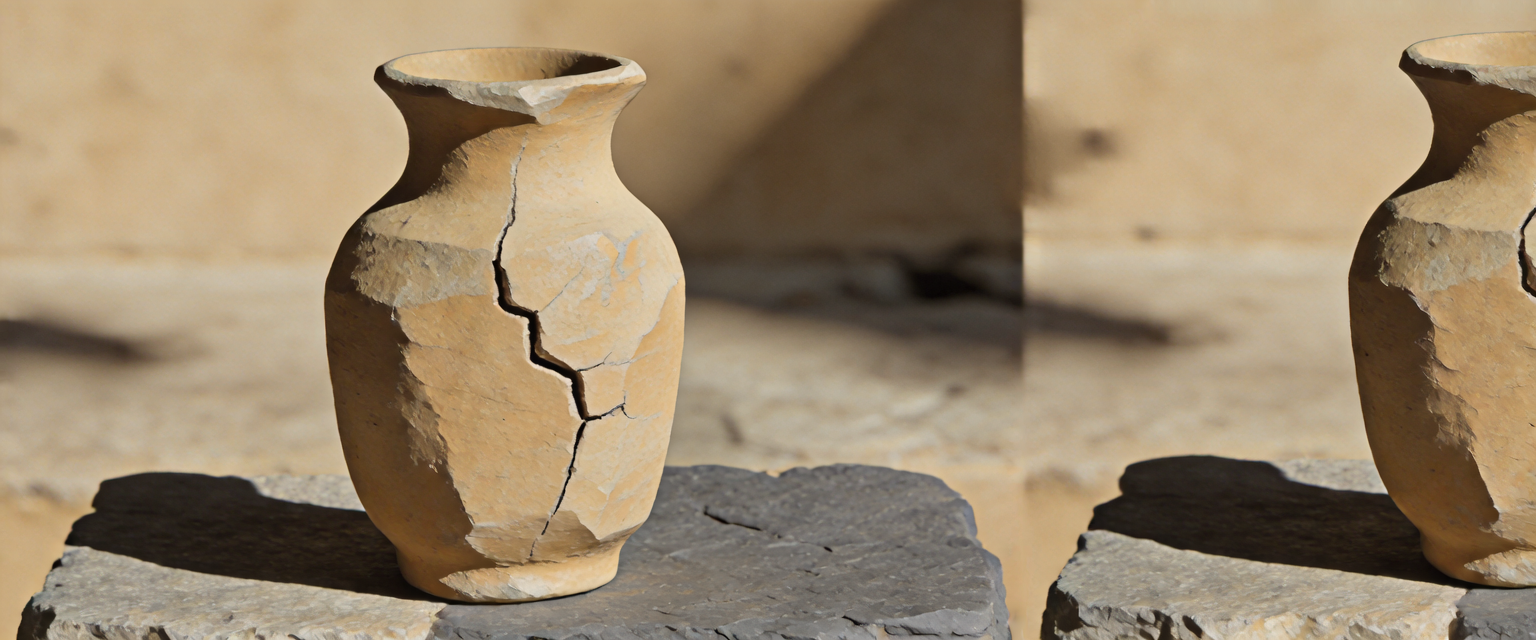
The Persian proverb framing does real work here — the vase is broken, the damage is done carries a calm acceptance that's not passive defeat. The actual move is in how Birol recalculates: from "some time to come back to the normal days" to "those days will never return." Permanent structural shift, not temporary disruption.
There's a resonance with the Egon Schiele thread from the week before: making weaknesses the center rather than smoothing them over. This is different, though. It's not "what was broken makes the work more interesting." It's: the break is the new baseline. You don't put the vase back the way it was, because the world that vase lived in has changed.
The detail about North Sea oil doesn't just get factored out — it gets reframed entirely. What would have looked like a sensible investment in normal times is something different when normal times are gone. That's a useful move for portfolio thinking: recognizing which problems are temporary turbulence versus permanent loss of ground.
Nothing else pulled. The rest of the piece is efficient but contained — one idea worked through cleanly.
Thread pulls
What would it look like to apply the vase broken framing to one of the projects that's been on hold, and stop treating it as something to resume — start treating it as something that's already changed form?
The difference between permanent shift and broken vase: both involve the old state not returning, but the metaphor suggests permanence through acceptance rather than permanence through force. Is this useful for thinking about the projects that have been waiting?